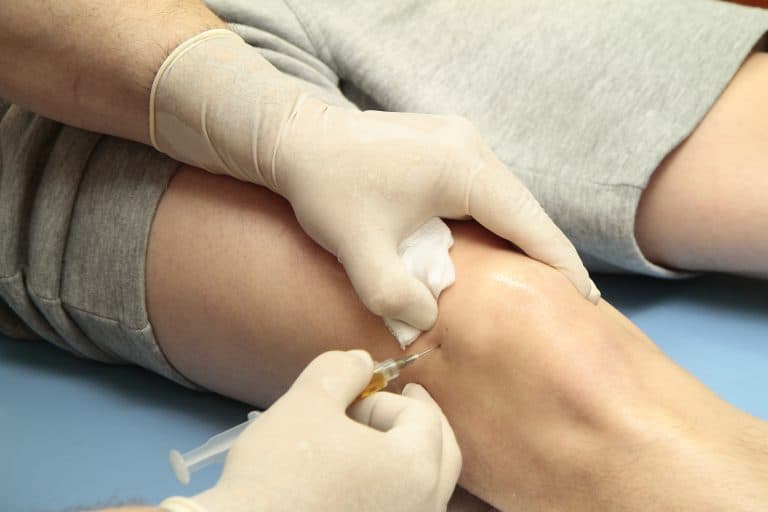



Knee cartilage is essential for joint health, providing a smooth surface for bones to glide over each other and cushioning impact during movement. Collagen, on the other hand, is a protein that plays a crucial role in the structure and function of cartilage and other tissues. In this article, we aim to clarify the differences between cartilage and collagen to help patients understand the role of each substance in maintaining joint health. The information below will also seek to address the most common questions and provide valuable insights into how these components work together in the body.
What is Collagen and Why is it Important?
Collagen is a protein that provides structure and strength to various tissues in the body, including skin, bones, tendons, and cartilage. It is the most abundant protein in the human body, making up about 30% of the total protein content. Collagen fibres give cartilage its tensile strength and elasticity, allowing it to withstand compressive forces. In the context of knee health, collagen is essential for maintaining the integrity of cartilage. Without sufficient collagen, cartilage can become weak and prone to damage, leading to joint problems and reduced mobility. Collagen supplements and treatments are often used to support joint health and promote cartilage repair.
Free non-medical discussion
Not sure what to do next?
Information only · No medical advice or diagnosis.
What is cartilage and what function does it serve?
Cartilage is a type of connective tissue found in various parts of the body, such as the knees and other joints. It is a firm, flexible, and resilient material composed primarily of water, collagen fibres, and specialised cells called chondrocytes. There are three main types of cartilage, each with specific characteristics and functions:
- Hyaline Cartilage
- Elastic Cartilage
- Fibrocartilage
Cartilage serves many purposes within the body, from providing structural support to cushioning joints, facilitating smooth movements, and absorbing shocks. Maintaining good cartilage health is therefore essential to avoid movement issues in key areas.

The Key Differences Between Cartilage and Collagen
While cartilage and collagen are closely related, they are not the same. Here are the key differences:
Cartilage experts and knee health specialists
At London Cartilage Clinic, our goal is to help you achieve the best possible outcomes and improve your quality of life. Understanding these differences can help patients appreciate the importance of both cartilage and collagen in maintaining joint health and function. If you have any questions or would like to learn more about our services, please contact us today.
Frequently Asked Questions
- Cartilage is a type of connective tissue that contains cells called chondrocytes, which produce the extracellular matrix. This matrix is made up of water, proteoglycans, and collagen fibres. Collagen, on the other hand, is a specific type of protein that is a major component of this matrix.
- Cartilage provides structural support, reduces friction, and absorbs shock in the joints. Collagen, as a protein, provides tensile strength and elasticity to cartilage and other tissues. It helps maintain the structural integrity of cartilage, allowing it to perform its functions effectively.
- Cartilage is found in specific areas of the body, such as the joints, ear, nose, and respiratory tract. Collagen, however, is found throughout the body in various tissues, including skin, bones, tendons, and ligaments.
- Collagen supplements may support the repair and maintenance of knee cartilage by providing the building blocks needed for collagen production. However, the effectiveness of supplements can vary, and it’s essential to consult with a healthcare professional for personalised advice.
- Symptoms of damaged knee cartilage include pain, swelling, stiffness, and a reduced range of motion. In severe cases, you may also experience a grinding sensation in the joint or difficulty bearing weight on the affected knee.
- Knee cartilage damage is typically diagnosed through a combination of physical examination, imaging tests (such as X-rays or MRI scans), and sometimes arthroscopy, a minimally invasive procedure that allows doctors to view the inside of the joint.
- Treatments for knee cartilage damage include non-surgical options such as physical therapy, medications, and injections (e.g., hyaluronic acid or PRP). Surgical options include microfracture, autologous chondrocyte implantation (ACI), and cartilage grafting.
Legal & Medical Disclaimer
This article is written by an independent contributor and reflects their own views and experience, not necessarily those of London Cartilage Clinic. It is provided for general information and education only and does not constitute medical advice, diagnosis, or treatment.
Always seek personalised advice from a qualified healthcare professional before making decisions about your health. London Cartilage Clinic accepts no responsibility for errors, omissions, third-party content, or any loss, damage, or injury arising from reliance on this material.
If you believe this article contains inaccurate or infringing content, please contact us at [email protected].
London Cartilage Clinic
Modern treatments, designed for lasting knee outcomes
Every treatment plan is selected to help you return to the quality of life you deserve. Our team combines up-to-date techniques with consultant-led decision making across cartilage repair, regeneration and replacement.
What your journey can look like
Step 01
Consultant-Led Assessment
Symptoms, imaging and goals reviewed in one structured appointment.
Step 02
Personalised Treatment Plan
A clear route chosen from repair, regeneration or replacement options.
Step 03
Precision Delivery
Modern techniques and specialist equipment matched to your diagnosis.
Step 04
Long-Term Knee Health
Follow-up guidance focused on durable function and quality of life.
Will the Arthrosamid work for me
PAAG-8+ Questionnaire
A bright, structured entry point for patients exploring Arthrosamid. The questionnaire helps frame suitability, expectations, and 24-month clinical benefit discussion before a fuller consultant-led review.
Designed for shared decision-making. It does not replace specialist consultation, examination, imaging review, or formal medical advice.